
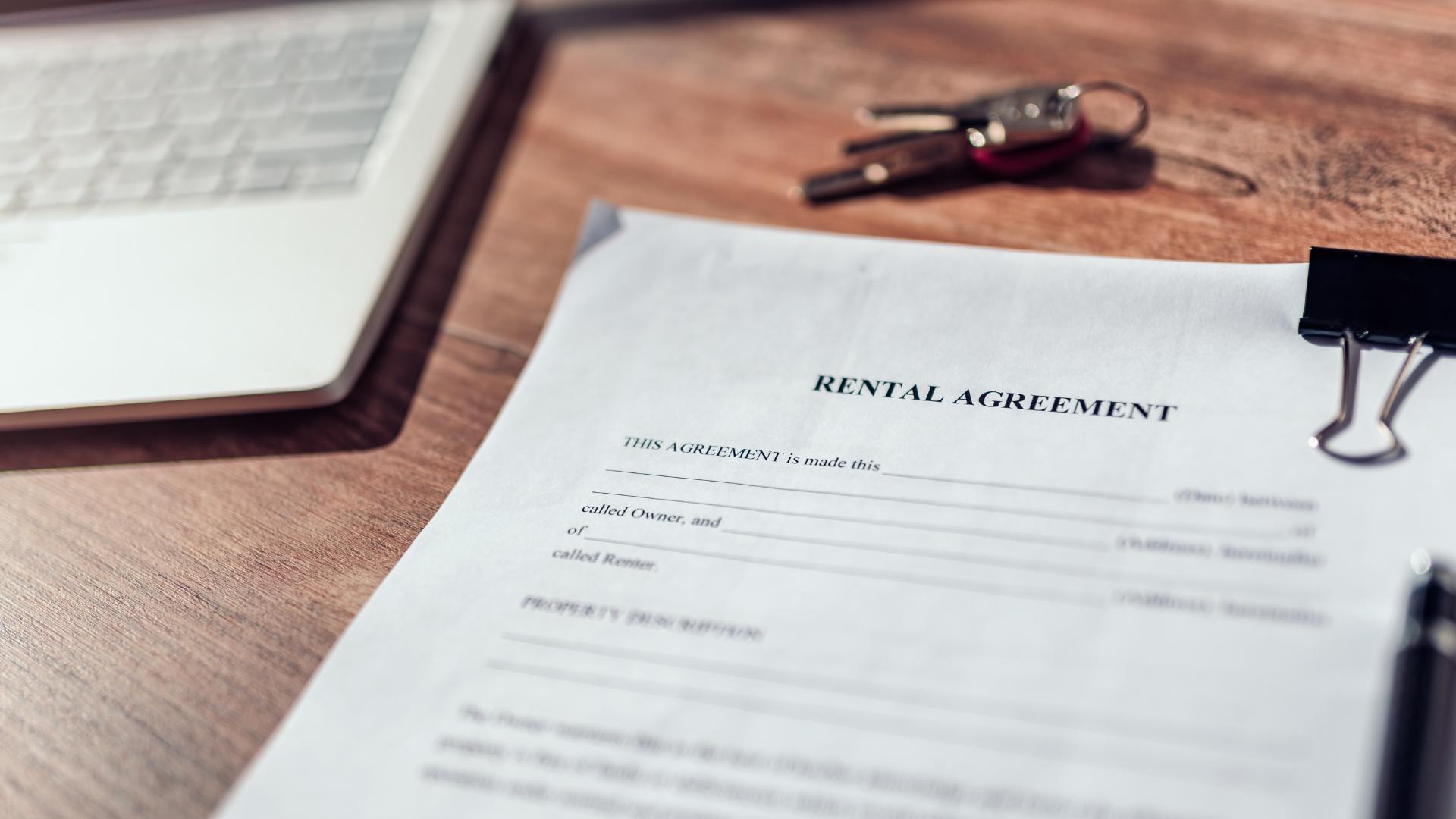
Cathy still remembers the knot in her stomach the day before we signed the lease on our own little studio, years ago now. We had the keys practically in hand, and she suddenly wondered whether we’d actually read every clause or just skimmed it because we were excited to move in. That hesitation turned out to be useful, and it’s the reason we always tell people: read it twice, slowly, before you sign anything.
Before signing a French rental agreement, check the deposit amount against the legal cap, do a thorough état des lieux, confirm your insurance obligations, and make sure the documents requested from you are actually allowed under French law. Skipping any of these four points is where most tenant-landlord disputes start.
What this article walks through:
- What the lease itself must and must not contain
- How to inspect the flat properly before moving in
- Your rights and the insurance you’re legally required to have
- What signing actually commits you to, financially
Check the deposit against the legal ceiling
The deposit, called dépôt de garantie in France, is capped by article 22 of the loi du 6 juillet 1989: one month’s rent excluding charges for an unfurnished flat, and up to two months for a furnished one. If a landlord asks for more than that on a standard lease, that’s a red flag worth raising before you sign, not after.
The lease should also state clearly:
- The exact rent, and whether charges are included or billed separately
- The lease duration (typically 3 years for an unfurnished flat from a private landlord, 1 year for furnished)
- The conditions for the deposit’s return, and the legal deadline of one to two months after you hand back the keys
- Who is responsible for which repairs, and under what circumstances
If any of this feels vague, ask for it in writing before you sign. A verbal promise from a landlord means very little once the lease is signed.
Inspect the property like you mean it
The état des lieux d’entrée, the formal move-in inspection, is not paperwork to rush through. It’s the document that will be compared against the état des lieux de sortie when you leave, and any damage not noted on the way in can be deducted from your deposit on the way out, fairly or not.
We always walk through room by room and note, in writing:
- Marks, stains or damage on walls, floors and fixtures
- Whether every appliance actually works, not just looks fine
- Smoke detectors present and functioning
- Any sign of damp, mould or pest activity
Photograph anything questionable, date-stamped if possible, and attach that to the état des lieux itself. It costs you twenty minutes and can save you a real argument later.
Know what you’re entitled to, and what’s legally required of you
French tenants have the right to a decent, habitable home: working heating, no major safety hazard, and since recent energy rules, a property that isn’t rated F or G on the DPE if it’s being newly re-let in a tense rental zone. Your landlord also needs a legitimate reason and proper notice, generally 24 hours, before entering the flat for anything other than an emergency.
On your side, one obligation surprises people every year: renters insurance is not optional in France. The loi du 6 juillet 1989 requires every tenant to hold home insurance covering at least the risques locatifs (fire, water damage, explosion) and to hand over a certificate (attestation d’assurance) at key handover, then again each year if asked. Without it, a landlord can take out a policy on your behalf and bill you for it, marked up by 10%.
Be equally aware of what a landlord is not allowed to ask you for. Under the loi ALUR, a bank statement, a criminal record extract, a photo ID picture, or anything touching your marital status or religion are all off the list, if you’re asked for one of these, you can politely decline.
| Point to check | Unfurnished lease | Furnished lease |
|---|---|---|
| Deposit ceiling | 1 month’s rent excl. charges | 2 months’ rent excl. charges |
| Standard lease length | 3 years | 1 year |
| Tenant’s notice period | 3 months (1 in a zone tendue) | 1 month, always |
Ceilings and defaults set by the loi du 6 juillet 1989 and the loi ALUR, valid as of 2025-2026; local rules can adjust some of these details, so always check the lease itself.
Budget for more than just the rent
The rent is rarely the only expense on day one. Between the deposit, the first month’s rent, an agency fee where applicable, and moving costs, we usually tell people to have close to three months of rent set aside before they even start viewing flats. If your income is tight, don’t wait until the viewing to find out you need a garant, ask about it upfront, because sorting out a guarantor or the Visale guarantee scheme takes time you may not have once you’ve found the right place.
None of this is professional legal or financial advice, just what two very ordinary tenants (and occasional landlords ourselves) have learned the hard way. For anything unusual in your specific lease, a quick check with a notaire or a tenant’s association such as the ANIL costs nothing and can spare you a lot of trouble.
Furnished or unfurnished changes several of these numbers at once, we go into that comparison in more depth in our piece on furnished versus unfurnished rentals, which is worth reading before you decide which type of lease to sign in the first place.
Published July 2026.