Our niece spent three weekends this spring visiting flats around Nice before she finally signed a lease, and every single time she came back saying the same thing: the photos online never show you what actually matters. We watched her rule out a beautiful apartment near the port because of a bus depot two streets over, and fall for a plainer one in Cimiez simply because of how quiet the stairwell felt. That is really the heart of choosing a rental well: the details that never make it into a listing.
Choosing the right rental apartment comes down to four things that matter far more than the photos: the neighbourhood’s daily reality, what the flat actually includes, what the lease actually says, and how the place feels once you are standing in it. Get those four right and the rest tends to fall into place.
What we always tell people looking around Nice:
- Visit at two different times of day before deciding, mornings and evenings rarely look the same in the same street.
- Ask whether the flat is furnished or unfurnished early, it changes the deposit, the lease length and what you need to bring.
- Read the état des lieux and lease clauses before signing, not after moving in.
- A decent home in France must legally offer at least 9 m² and 2.20 m of ceiling height, or 20 m³ of volume, whatever the rent being asked.
The neighbourhood tells you more than the flat itself
A rental apartment is only as good as the ten minutes around it. In Nice, that means thinking hard about which part of the city actually suits your life, not just which one photographs well. Vieux Nice is beautiful and lively but can be genuinely noisy at night, especially on weekends. Cimiez, up on its hill, is quieter and leafier but means a longer trip down to the sea and the shops. Libération sits right on the tram line and close to the covered market, which makes daily errands simple without a car.
Beyond the postcard version of a neighbourhood, walk it at the time of day you will actually be living in it. A street that feels lovely at 11am on a Tuesday can turn into something else entirely on a Friday night, and no listing photo will ever tell you that.
Furnished or unfurnished changes almost everything
This is the first practical question to settle, because it affects the lease itself, not just your moving boxes. A furnished rental in France typically runs on a one-year lease (nine months if it is a student let) and asks for a security deposit of up to two months’ rent. An unfurnished rental usually commits you to a three-year lease and caps the deposit at one month’s rent. Neither is better in absolute terms, it depends whether you are settling in for years or testing out a new city first.
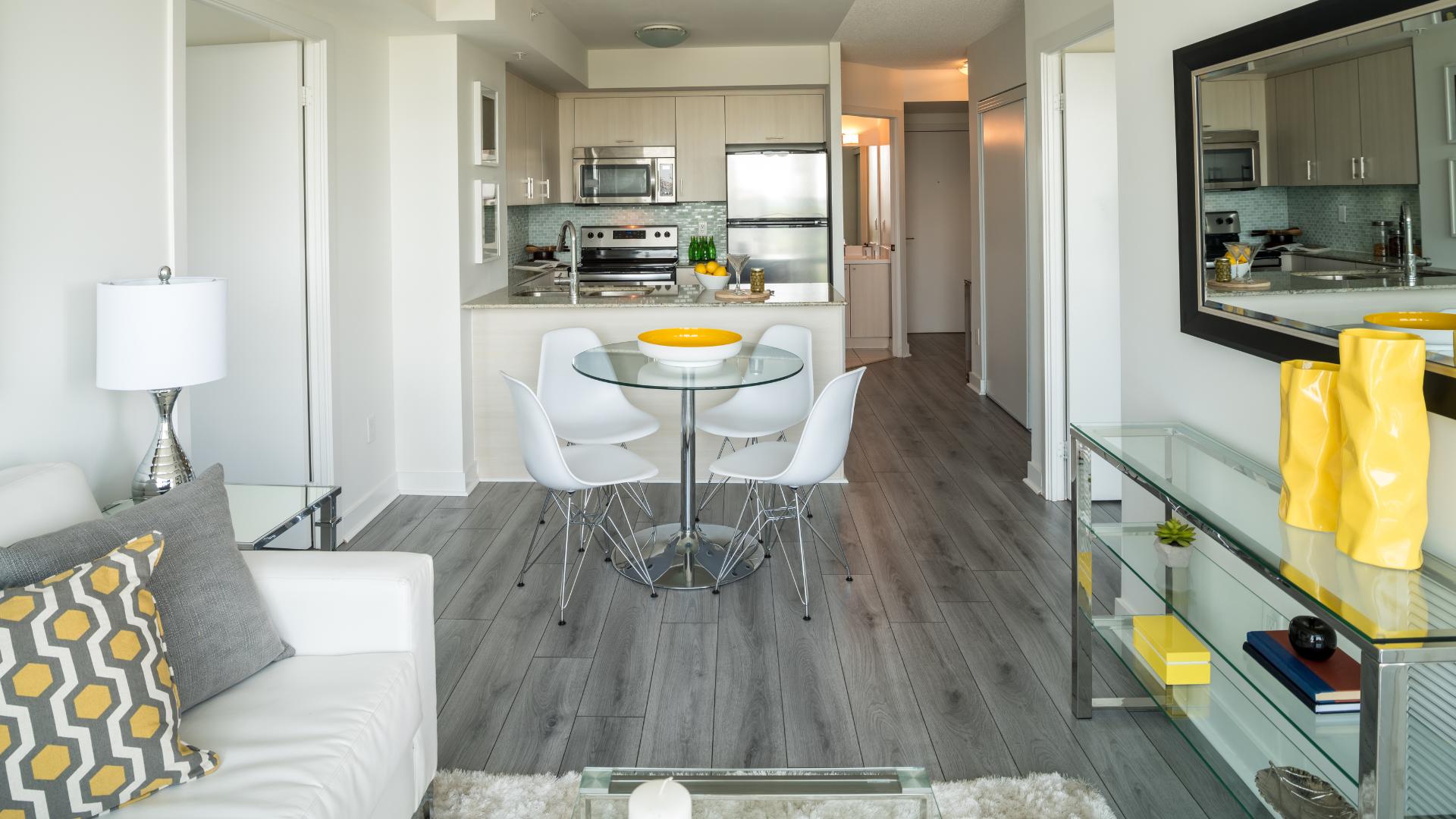
Beyond that distinction, walk through what is actually included before you get attached to a place: a fridge and stove are almost always there, but a washing machine, a dishwasher or decent storage space are not guaranteed, especially in older Nice buildings where kitchens can be small. Ask directly rather than assume.
What to actually check before you sign anything
Once you have found a flat you like, the lease itself deserves a proper read, not a quick skim. Rent amount and payment date, the length of notice you owe if you leave early, and exactly what the security deposit covers all sit in that document, and French law gives you real protection on each of these points, but only if you know what to look for.
| What to check | Why it matters |
|---|---|
| Lease type (furnished or not) | Sets the lease length and deposit amount |
| DPE energy rating | G-rated homes have been banned from the rental market since January 2025 |
| État des lieux d’entrée | Protects your deposit when you move out |
| Charges included or not | Water, heating and building fees can add a lot to the advertised rent |
The energy rating point is worth pausing on. Since 1 January 2025, landlords can no longer legally rent out a home rated G on the DPE scale, and F-rated homes will follow in 2028. If a listing looks unusually cheap for its size and location, that is one of the first things to ask about.
Trust the feeling, but back it up with the paperwork
Our own rule, after years of doing this ourselves, is simple: your gut reaction when you walk in matters, but it should never replace reading the documents. If a landlord or agent is vague about the lease terms, brushes off a question about the état des lieux, or seems reluctant to put something in writing, take that as seriously as any crack in the wall.
Our niece ended up in the quieter flat in Cimiez, and eighteen months later she still says the deciding factor wasn’t the kitchen or the balcony, it was how the building sounded at 7am on a weekday.
Frequently asked questions
Is a furnished or unfurnished apartment better for a short stay in Nice? Furnished almost always suits a shorter stay better, since the lease is shorter and you avoid buying furniture you would only use for a year.
What is a legally decent minimum size for a rental in France? At least 9 m² of living space with a 2.20 m ceiling, or 20 m³ of volume, under decree n° 2002-120.
Can I ask to see the DPE energy rating before visiting? Yes, and you should, it must legally appear on the listing itself, not just be handed over after a visit.
How many times should I visit a flat before deciding? At least twice, ideally at different times of day, since noise and light change completely between morning and evening.
This is general guidance built from our own experience renting and later letting out property in the region, not a substitute for a lawyer or a housing adviser if your situation is unusual.
Once you have narrowed down what you are looking for, our guide on the differences between a furnished and unfurnished rental apartment goes much deeper into that specific choice. And if you are still at the very start of the search, we walk through the practical steps in the steps to find an apartment to rent.
Published in 2023, updated in July 2026 with current DPE and decent housing rules.
Sources: décret n° 2002-120 du 30 janvier 2002 (logement décent), Légifrance (DPE et interdiction de location), loi n° 89-462 du 6 juillet 1989.