
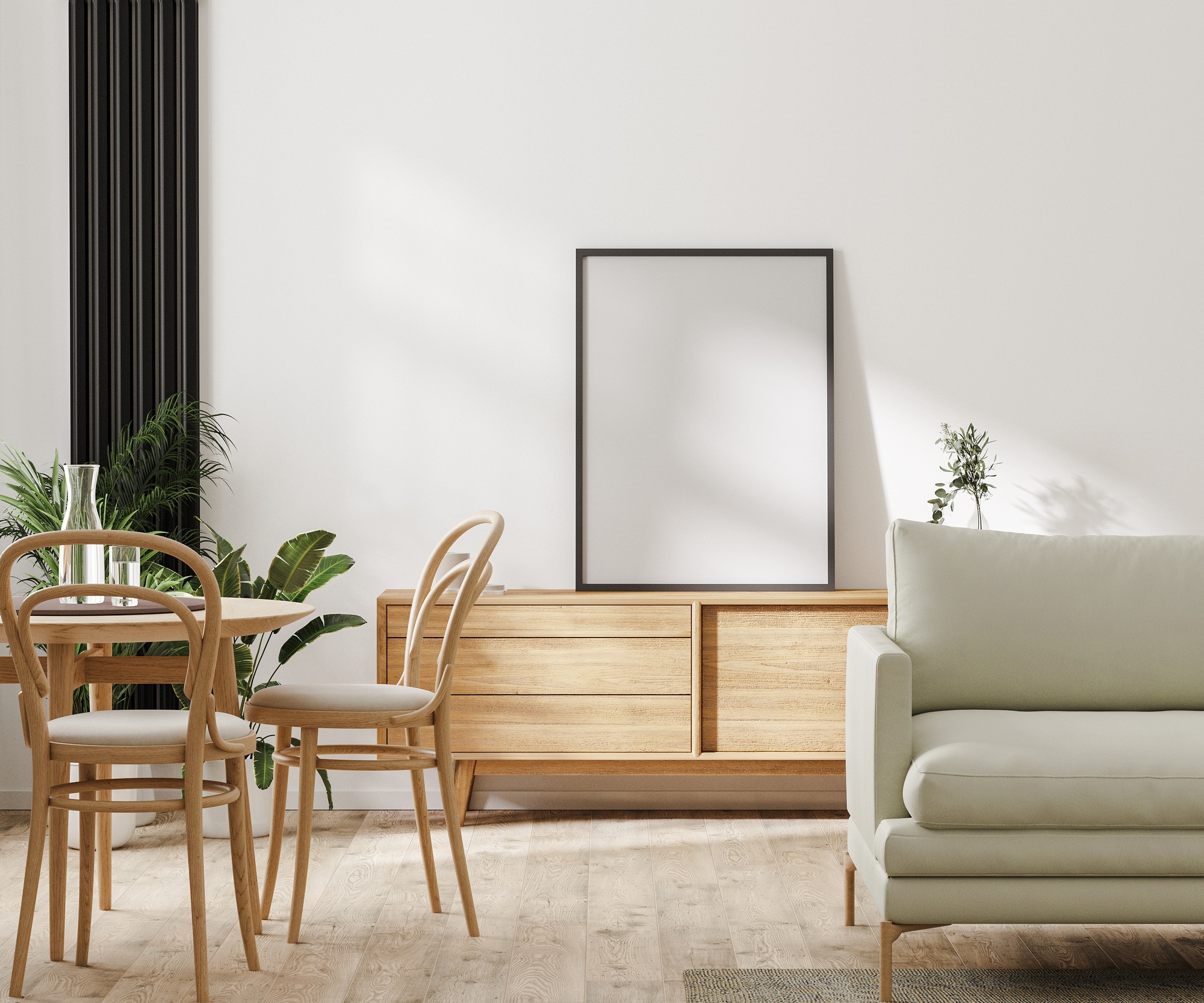
Every time we get the studio ready between two tenants, we’re reminded how little time it actually takes to change the entire feel of a room. Repainting our own small rental in Nice years ago taught us that a full transformation doesn’t need months, it needs a plan and a week of focused work.
A living space can be genuinely transformed in seven days if you plan the design before you touch a single wall. The trick isn’t rushing, it’s sequencing: understand the room first, lock in a design plan, then execute day by day instead of improvising as you go.
What we cover here:
- How to read your space and set real design goals before spending anything
- What to look for when choosing an interior designer, remote or local
- A realistic day-by-day plan to go from bare room to finished space in a week
- How to keep the result looking good long after day seven
Start by understanding your space, not by shopping
Before any painting or furniture shopping, look honestly at what you’re working with. What’s the room’s size and shape? Are there architectural details worth keeping, a fireplace, exposed beams, a nice window, or awkward features you’ll need to work around?
Once you’ve mapped the physical space, think about how you want it to feel. A modern, pared-back look and a warm traditional one require completely different choices in furniture, colour and lighting. We’ve always leaned toward something cosy over something showy, mostly because that’s what actually gets used and enjoyed day to day, not just admired.
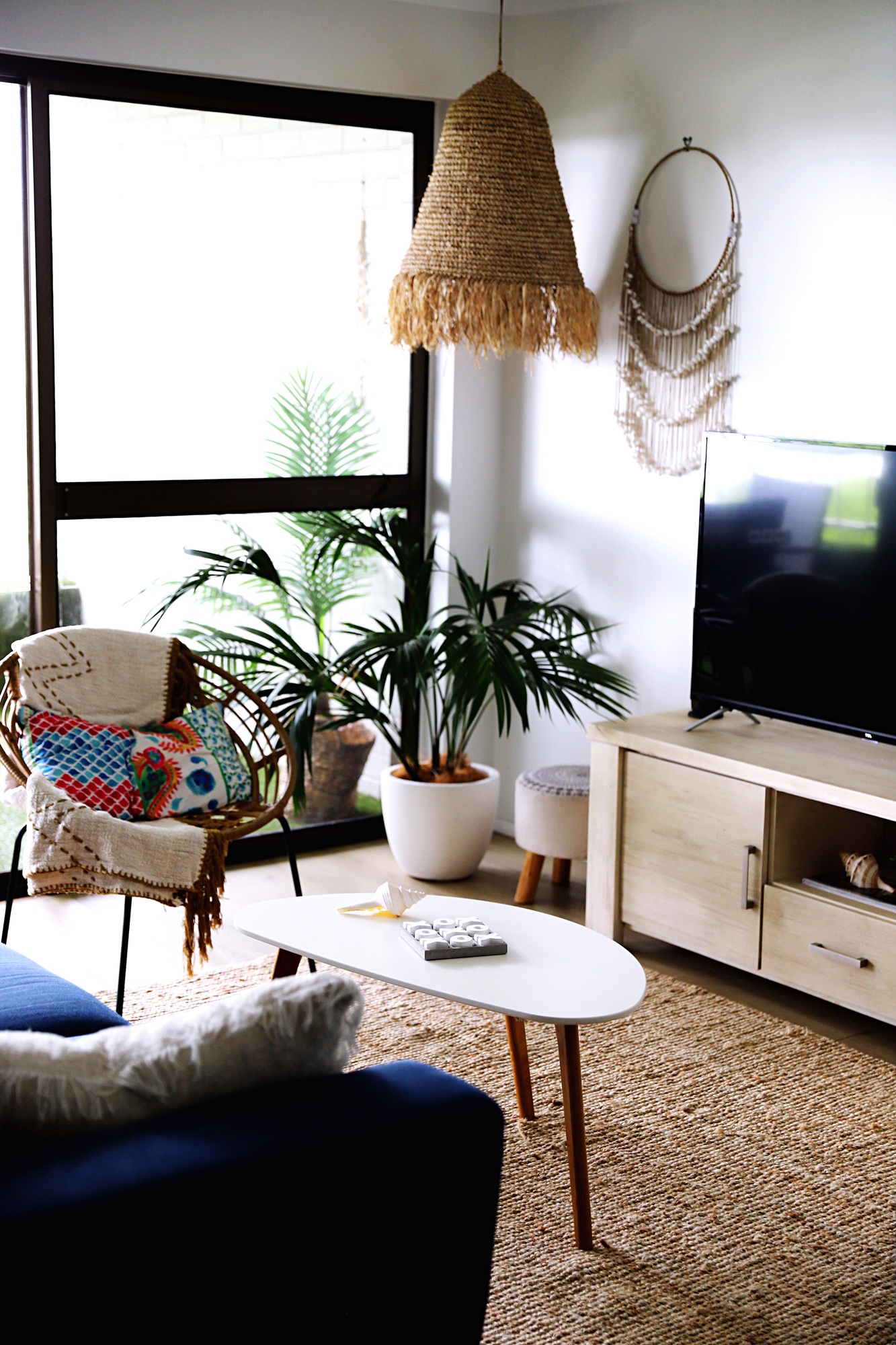
Living room with designer
Take stock of what you already own, too. Some pieces deserve to stay, others need replacing, and this inventory is what actually sets your real budget rather than a number picked out of thin air. Clarity at this stage saves you from costly changes of mind halfway through the week.
Choosing the right interior designer
Once your goals are clear, finding the right designer matters more than most people expect. A good one should understand your taste quickly and translate it into concrete choices rather than pushing their own signature style on you.
Look at portfolios and reviews before committing. Past projects tell you more about a designer’s real range than a polished sales pitch does. Studios like designbyanais.com, for instance, work largely through remote consultations, which means communication style matters as much as design talent: you need someone who explains ideas clearly and responds quickly when you have a question mid-project.
Book an introductory consultation before signing anything. Bring your budget, your constraints and your Pinterest folder if you have one. A designer worth working with will listen first and adjust their suggestions to your actual room, not a generic template.
Ask, too, how they charge: a flat project fee, an hourly rate, or a percentage of the furniture and materials budget. Each model changes how much you’ll want to involve them in small decisions along the way, and knowing this upfront avoids awkward conversations about scope halfway through your seven days. Remote consultations in particular tend to run on structured video calls with shared mood boards, so confirm early how many rounds of revisions are included before extra fees kick in.
Building a design plan that holds together
With a designer on board, the next step is a coherent plan covering furniture, colour, lighting and decor as one system rather than separate decisions made in isolation.
Most designers will propose a mood board early on: colours, textures, furniture references, layout options. This is the moment to push back if something feels off, changing your mind now costs nothing, changing it after the sofa’s delivered costs a lot more.
Furniture layout deserves real attention. Where things sit affects how a room actually functions day to day, not just how it looks in a photo. Natural light, traffic flow between doors, and how people will actually move through the space should all shape the final arrangement.
Colour comes next, and it’s worth treating as a system rather than a series of separate paint choices. Wall colour, upholstery, and accent pieces should reinforce the same mood rather than compete with each other. A palette that works on paper doesn’t always work under real lighting, so testing swatches in the room itself, morning and evening, avoids expensive surprises.
Don’t skip storage in this plan either. A beautifully arranged room that has nowhere to put daily clutter falls apart within weeks. Built-in shelving, a bench with hidden storage, or simply a decent basket by the door keeps the finished look intact once real life resumes.
The seven-day plan
Once the plan is locked, execution follows a logical order. Here’s roughly how a week breaks down in practice.
| Day | Focus |
|---|---|
| Day 1 | Painting. Tackle the biggest, messiest task first while the room is still empty. |
| Days 2-3 | Furniture assembly and placement, following the layout agreed with your designer. |
| Day 4 | Lighting. Fixtures, lamps, layered light sources that match the mood you’re going for. |
| Day 5 | Decor: art, plants, textiles that give the room personality and texture. |
| Day 6 | Step back and review from different angles, adjust anything that feels off. |
| Day 7 | Final touches: cushions, throws, the small details that make a room feel finished. |
This order isn’t arbitrary. Painting first avoids damaging new furniture, placing furniture before lighting lets you see where fixtures are actually needed, and decor comes last because it’s easier to judge once the bones of the room are in place.
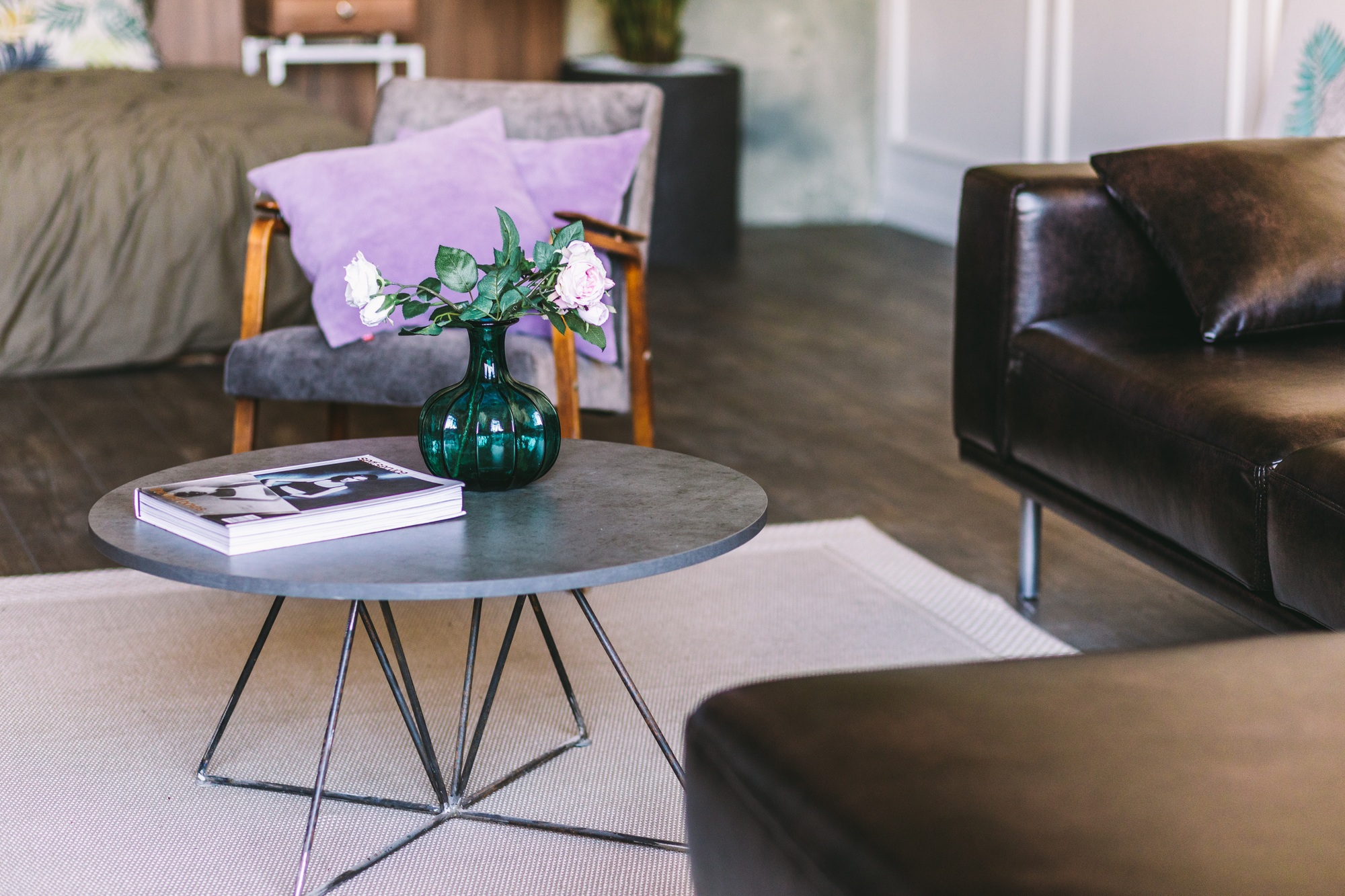
Home interior design and decorations.
Making the transformation last
A room that looks great on day seven still needs upkeep to stay that way. Regular dusting and vacuuming protect furniture and fabrics, and following the specific care instructions for upholstery or delicate materials prevents premature wear.
Seasonal refreshes help too, swapping cushion covers, adding a few accents that suit the time of year, without redoing the whole room. And tastes evolve: checking back in with your designer every year or two for small adjustments keeps a space feeling current rather than frozen in the moment it was finished.
If colour choices are still the part that intimidates you most, we’ve gone deeper into how colour affects a room’s mood and resale appeal in a separate piece, which pairs well with the plan above.
Frequently asked questions
Can a full room really be done in seven days without professional help? It’s harder without a plan, but the same sequencing (paint, furniture, lighting, decor, review, finishing touches) works whether or not a designer is involved. A designer mainly saves you from costly trial and error.
What if my budget doesn’t stretch to a full redesign? Focus the seven-day plan on the two or three elements with the biggest visual impact, usually paint and lighting, and phase furniture changes over a longer period.
How much should I expect to spend? Costs vary enormously by region and scope, from a few hundred euros for paint and accessories to several thousand for full furniture replacement, so get a written estimate from your designer before day one.
Should I keep any furniture from before, or start completely fresh? Keeping a few well-chosen pieces usually gives a room more character than an entirely new set bought all at once, and it’s kinder to your budget. The trick is picking what genuinely fits the new mood board rather than keeping something out of habit.
Finishing a project like this is genuinely satisfying, and inviting people over to see the result is half the fun. Take your time with the planning stage especially, it’s the part that decides whether the other six days go smoothly or not.
Article updated in July 2026.