
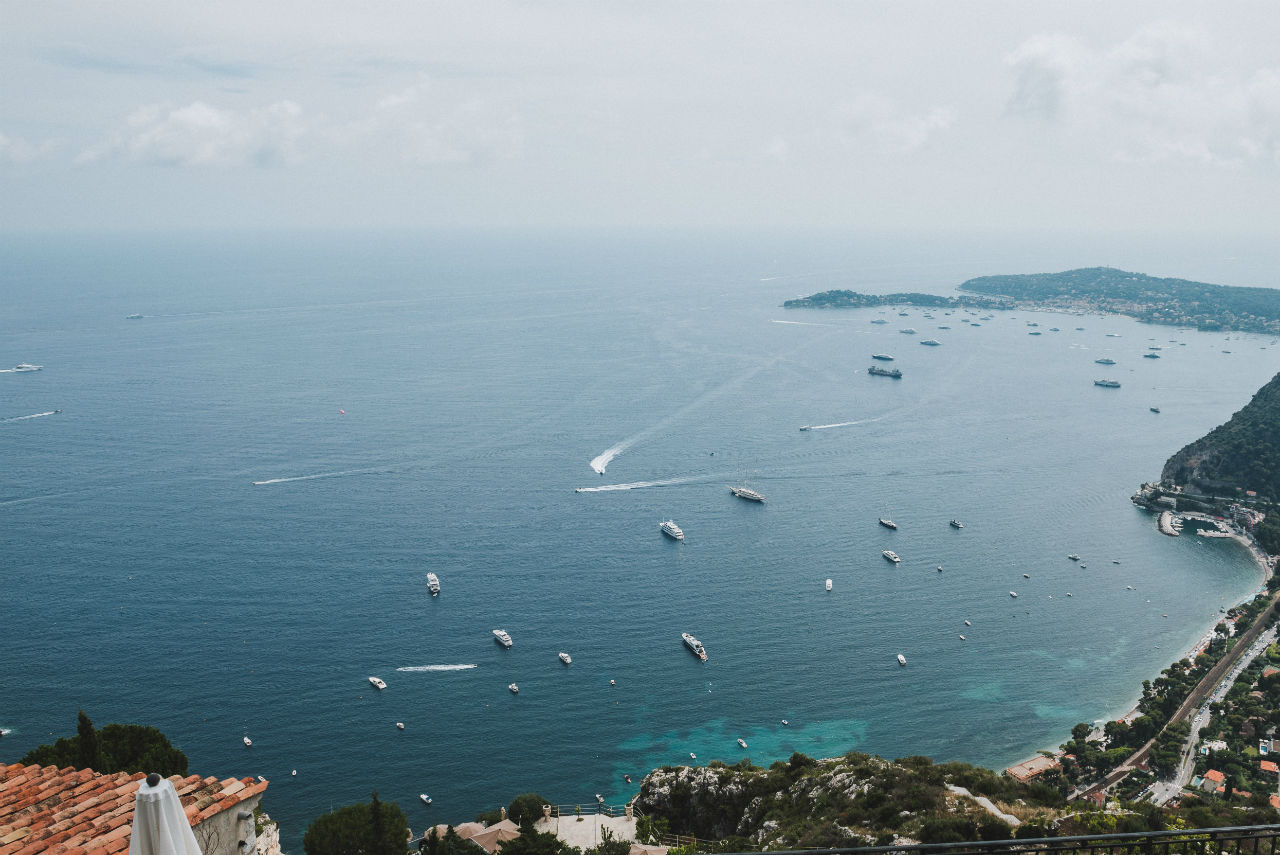
Sitting on our terrace one evening, we started counting the different accents we’d heard that same week at the market, Russian, Gulf Arabic, American English, Italian, and it struck us again how the French Riviera pulls people from everywhere. We won’t pretend to know why every single one of them chose this coastline over another, but after fifteen years of watching people move here, buy here, or simply fall for the place on a first visit, we think we’ve identified the real ingredients behind the attraction.
The French Riviera draws such a mix of people because of its climate, the variety of its landscapes, a genuinely rich leisure offer, strong transport links, a distinctive gastronomy, and a real estate market that rewards patience. No single factor explains it alone, it’s the combination that does.
In short, six reasons keep coming up:
- A mild, sunny climate almost all year round.
- Landscapes ranging from vertical Monaco to pebble beaches to the wild Esterel massif.
- An entertainment offer that goes from Michelin-level shopping to family-friendly parks.
- Excellent access by air, rail and motorway.
- A gastronomy built around olives, fish and fresh Mediterranean produce.
- A real estate market that has stayed dynamic for decades.
- 1 A living environment that’s hard to reproduce elsewhere
- 2 Landscapes that change completely within a few kilometres
- 3 An entertainment offer with almost no gaps
- 4 Accessibility that surprises people who’ve never visited
- 5 A gastronomy built on what the region actually produces
- 6 A real estate market that keeps rewarding patience
- 7 Frequently asked questions
A living environment that’s hard to reproduce elsewhere
The climate is the obvious starting point. Mediterranean mildness means no scorching extremes like other hot regions of the world, no real cold either, and moderate rainfall that keeps the vegetation lush without turning the region tropical. But what actually keeps people here, beyond the weather, is the lifestyle built around the sea in Nice, Cannes or Menton, where the coastline is as much a way of getting around as a place for leisure. Add a genuinely intense cultural life, exhibitions, concert venues, private and public museums, and none of these elements alone would be extraordinary. Together, they make the coast one of the most pleasant corners of France to actually live in.
Landscapes that change completely within a few kilometres
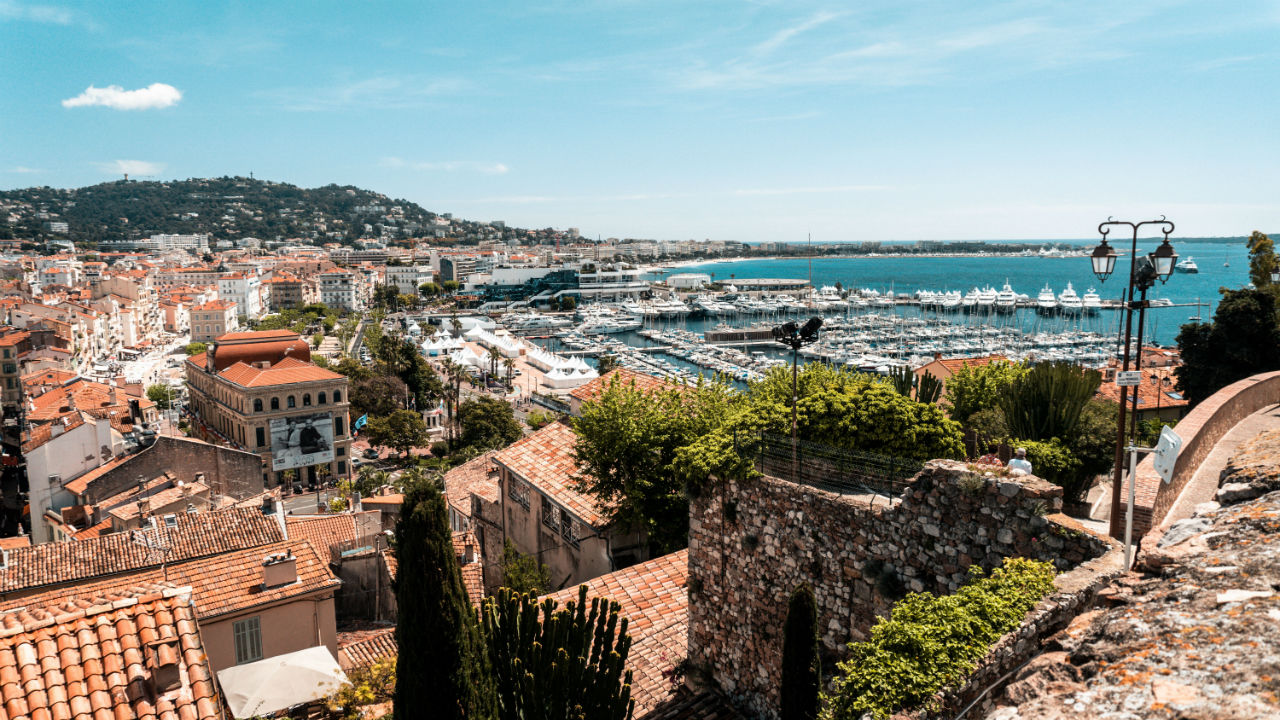
Few regions pack this much variety into so little space. Monaco is the extreme example, a city-state whose urbanisation climbed vertically because the land itself left no other option, and the result is unlike anything else on the coast. Cannes and Nice keep more of the region’s traditional character in their historic cores, while Saint-Jean-Cap-Ferrat shows the other extreme, luxury villas tucked into a green peninsula where nature does most of the talking. Saint-Paul-de-Vence, Saint-Tropez, Valbonne and Mougins each add their own version of this chic, understated urbanism.
The seaside itself deserves its own mention: mostly pebble beaches, as in Nice, with mountains close enough to the water to frame creeks and cliffs where vegetation clings on regardless of the slope. Move a little inland and the Esterel massif offers a completely different register, medium mountains, dense vegetation, distant sea views and a calm that the coastal towns simply don’t have.
An entertainment offer with almost no gaps
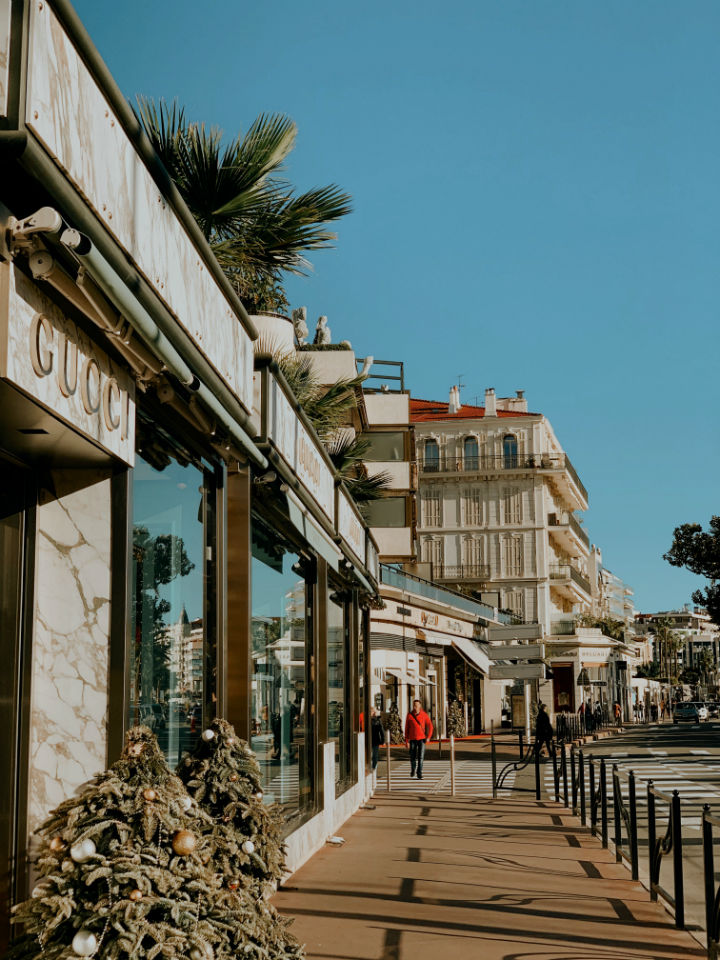
Whatever the budget, there’s genuinely something here. Shoppers looking for jewellers, sports car dealerships or fashion houses will find them concentrated in Nice, Cannes and Monaco, alongside casinos, Monte-Carlo’s being the obvious international reference. For a quieter register, the gardens of La Napoule or the tropical gardens of Eze reward a slower visit, and museums cover an unusually wide range of themes, the Oceanographic Museum in Monaco, the Perfumery Museum in Grasse, the Renoir Museum in Cagnes-sur-Mer among others.
Families aren’t left out either: water parks, an animal safari in Thorenc, Marineland in Antibes, treetop courses and via ferrata routes fill up a summer easily, whatever the weather decides to do that week.
Accessibility that surprises people who’ve never visited
Looking at a map of France, you’d assume the Riviera sits at the edge of everything. It doesn’t. Alongside the Paris region, it’s actually one of the most accessible parts of the country. Nice’s regional airport connects to most of Europe and a good number of long-haul destinations directly. The TGV links Paris to Monaco for those who prefer rail, and the regional TER covers the coastal towns quickly and cheaply since most of them, from Cannes to the Italian border, sit right along the waterfront. The A8 motorway follows the same coastline for anyone who prefers driving.
This density of connections explains a good part of why Nice has grown into one of southern Europe’s more economically successful cities over the past decades, and why events based here carry genuine international weight: the Cannes Festival needs no introduction, the Monaco Grand Prix closes out the Formula 1 season each year, and the Monte-Carlo tennis tournament remains one of the more prestigious stops on the calendar.
For the less conventional traveller, helicopter transfers between the coastal towns and speedboats along the shoreline are neither rare nor reserved for a tiny elite here, they’re simply part of the local transport landscape in a way that would seem unusual almost anywhere else in France.
A gastronomy built on what the region actually produces
A meal here tends to start with olives in one form or another, tapenade especially, an olive purée with anchovies and garlic that works equally well on toast or raw vegetable sticks. Salade niçoise, generous with tuna and raw vegetables, makes a natural starter, light enough for a hot day. Main courses lean toward ratatouille, bouillabaisse from nearby Marseille, soupe au pistou or tripe à la niçoise. Fougasse, calissons, pan bagnat and pissaladière round things out, there’s rarely a shortage of reasons to sit down at a Riviera table.
A real estate market that keeps rewarding patience
None of the above would matter as much if the real estate market weren’t as dynamic as it is. Notaire data for the Alpes-Maritimes put the average price around Nice between roughly 4,800 and 5,300 euros per square metre in 2026, with apartments up close to 9% over twelve months according to SeLoger figures, a sign the market hasn’t slowed despite higher borrowing costs. Further inland, Valbonne and the Sophia-Antipolis area sit close to 4,800 to 6,000 euros per square metre depending on the source and the property type, houses running noticeably higher than flats.
| Area | Average price per m² (2026) | Source |
|---|---|---|
| Nice, all property types | ≈ 4,800 to 5,300 € | Notaires des Alpes-Maritimes, SeLoger |
| Nice, houses specifically | ≈ 6,100 € | SeLoger |
| Valbonne / Sophia-Antipolis | ≈ 4,800 to 6,000 € | Efficity, Meilleurs Agents |
Whether the goal is an investment, from a flat in Nice to a villa in Mougins, or a home to actually live in, the market stays tight, which is exactly why working with a local real estate professional matters more here than in a calmer market. Buyers who hesitate between renting and buying often find that the calculation shifts once they’ve actually lived here a full year and priced their real usage of the place, a decision worth taking slowly rather than under pressure from a single visit. If you’re looking specifically at the top of that market, we’ve written separately about what defines luxury real estate in Nice, and about the broader question of how to invest in real estate on the coast more generally.
Frequently asked questions
Is the French Riviera real estate market only for wealthy buyers?
No, prices vary enormously by town and neighbourhood; the region offers everything from modest flats to properties well beyond most budgets.
Which Riviera towns keep the most traditional character?
In our experience, the historic cores of Nice and Cannes, along with villages like Saint-Paul-de-Vence, retain more of the region’s original feel than the newer developments.
Do property prices here keep rising every year?
Recent data shows continued growth in Nice and Valbonne, but real estate markets move in cycles, and a professional appraisal is always safer than assuming a trend will continue indefinitely.
We’re private buyers, not real estate professionals, so all of this reflects what we’ve observed and lived rather than a formal market analysis. Anyone seriously considering a purchase here should still check current prices and conditions with a local agent or notaire before committing.
Published in 2020, updated 29 July 2026.
Sources: Notaires des Alpes-Maritimes / SeLoger (Nice price data, July 2026), Efficity / Meilleurs Agents (Valbonne and Sophia-Antipolis price data, 2025-2026).